Compare home insurance quotes from top carriers
See home insurance rates side by side in minutes
- No Spam
- No Robocalls
- 100% real quotes
Get started below for free
Rather talk on the phone? 855-214-2291



We partner with over 200+ top rated insurance providers





The best coverage at the best price
Cover is designed to cut through the clutter & make shopping easy
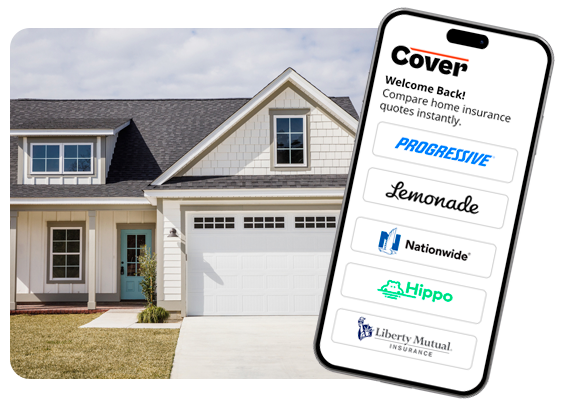
Answer a Few Questions
Tell us what kind of coverage you're looking for and a few basic details about yourself.
Instantly Compare Real Rates
We'll find the best rates in your area from trusted insurance providers. We'll even check to see if you qualify for discounts.
Choose the Best Option
Pick the coverage that fits your needs and budget. No pressure, no obligations.

Safe & Secure
We take your privacy seriously

Real rates instantly
Personalized, accurate quotes

Top rated carriers
Trusted, reputable providers in your state

Fast & simple
Designed for clarity, not confusion
Home insurance: What it is, Whether it's required, and what homeowners should know

Home insurance (also called homeowners insurance) is one of the most important financial protections you can have as a homeowner. It helps protect your house, your belongings, and your finances if something unexpected happens. Whether you're buying your first home or reviewing an existing policy, understanding the basics can help you make smarter decisions and avoid costly surprises.
Is Home Insurance Required?
Home insurance is not required by law in most states. However, if you have a mortgage, your lender will almost always require you to carry home insurance as part of your loan agreement. This protects the lender's financial interest in the home.
If you own your home outright and don't have a mortgage, you technically don't have to carry insurance, but going without it can be risky. A fire, storm, or lawsuit could result in expenses that are financially devastating without coverage.
What Does Home Insurance Typically Cover?
Most standard home insurance policies are made up of several key coverages:
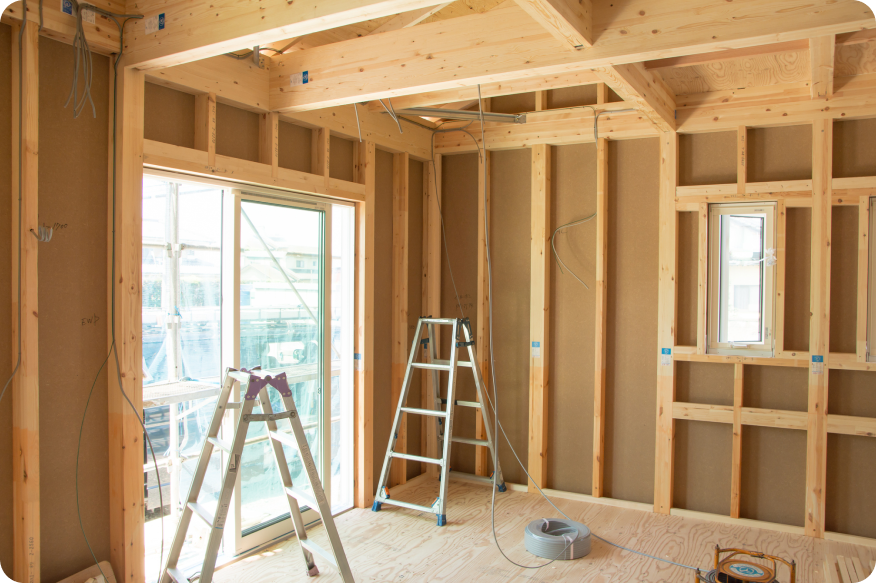
Dwelling Coverage
This covers the structure of your home itself, walls, roof, foundation, and built-in systems, if they're damaged by covered events like fire, wind, hail, or vandalism. Coverage should generally reflect the cost to rebuild your home, not its market value.

Personal Property Coverage
This helps pay to repair or replace your belongings, such as furniture, electronics, clothing, and appliances, if they're damaged or stolen. Many policies set this limit as a percentage of your dwelling coverage.

Liability Coverage
Liability coverage protects you if someone is injured on your property and you're found legally responsible. It can help cover medical bills, legal fees, and settlements.

Additional Living Expenses (Loss of Use)
If your home becomes uninhabitable due to a covered loss, this coverage helps pay for temporary housing, meals, and other living expenses while repairs are made.
Common Coverage Limits (Examples)
While every policy is different, here are some typical ranges homeowners might see:

Dwelling Coverage
Based on rebuild cost (often $200,000–$500,000+)

Personal Property Coverage
50%–70% of dwelling coverage
Liability Coverage
$100,000–$300,000 (many homeowners choose higher)

Additional Living Expenses (Loss of Use)
20%-30% of dwelling coverage
Choosing limits that reflect your actual risk and lifestyle is important, especially for liability coverage.
What Home Insurance Usually Does Not Cover
Standard home insurance policies often exclude certain types of damage, including:
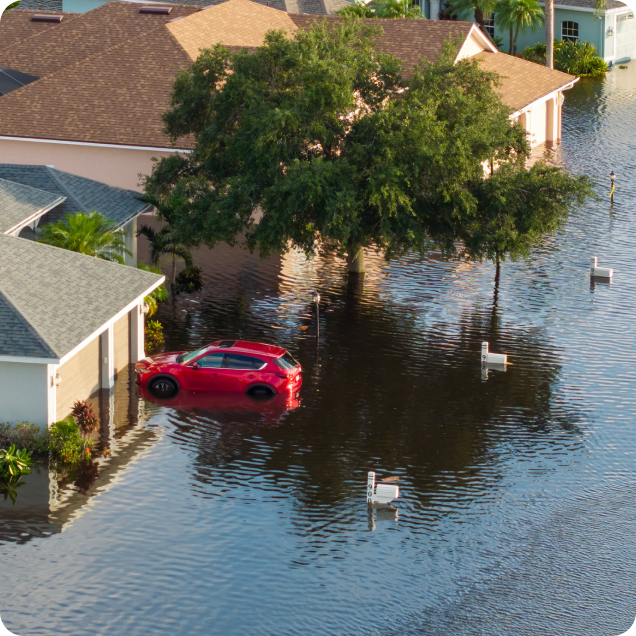
Flooding
(requires separate flood insurance)
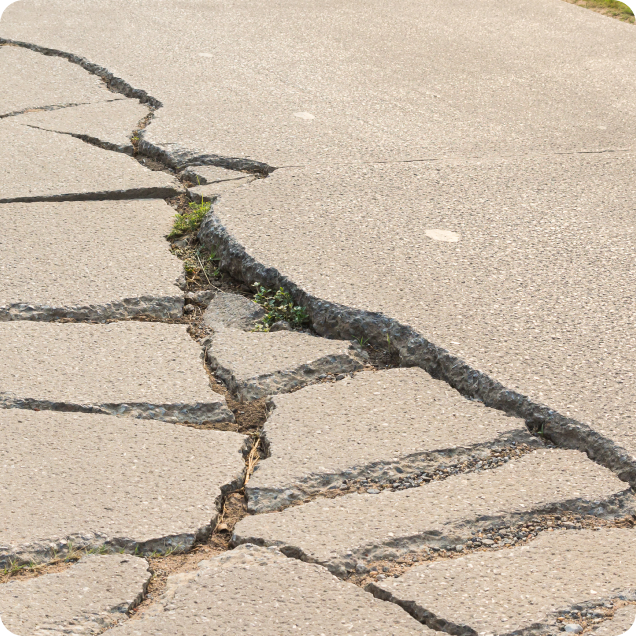
Earthquakes
(requires separate coverage in many areas)
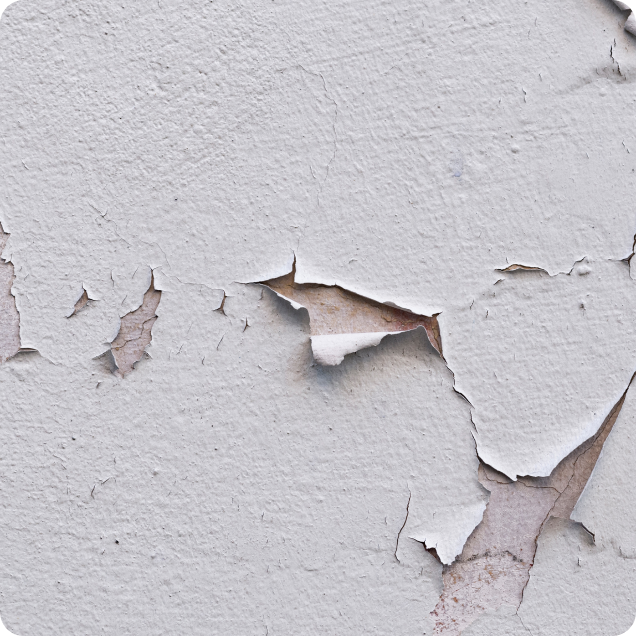
Normal wear and tear

Maintenance issues or neglect

Sewer or drain backups
(unless you add an endorsement)
Knowing these exclusions can help you decide whether you need additional coverage.
Replacement Cost vs. Actual Cash Value
One key detail to understand is how your policy pays claims:
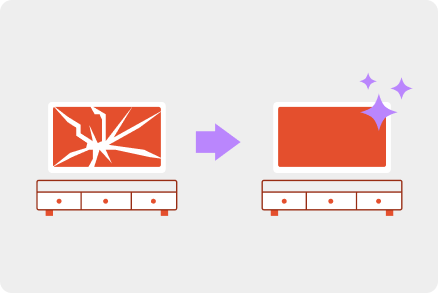
Replacement Cost
Pays to replace items with new ones of similar kind and quality.
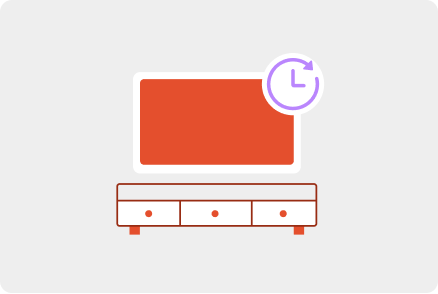
Actual Cash Value
Factors in depreciation, meaning older items are worth less.
Policies with replacement cost coverage usually cost more but provide much better protection.
How Much Does Home Insurance Cost?
The cost of home insurance depends on many factors, including:

Location

Age and condition of home

Coverage limits and deductibles

Claims history

Credit-based insurance score



Ready to get covered?
Compare real quotes from the nation's best insurance companies.