Compare car insurance quotes from top carriers
See car insurance rates side by side in minutes
- No Spam
- No Robocalls
- 100% real quotes
Get started below for free
Rather talk on the phone? 855-214-2291




We partner with over 200+ top rated insurance providers





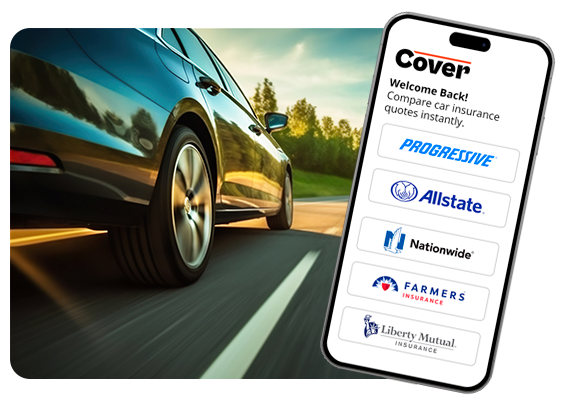
The best coverage at the best price
Cover is designed to cut through the clutter & make shopping easy
Answer a Few Questions
Tell us what kind of coverage you're looking for and a few basic details about yourself.
Instantly Compare Real Rates
We'll find the best rates in your area from trusted insurance providers. We'll even check to see if you qualify for discounts.
Choose the Best Option
Pick the coverage that fits your needs and budget. No pressure, no obligations.

Safe & Secure
We take your privacy seriously

Real rates instantly
Personalized, accurate quotes

Top rated carriers
Trusted, reputable providers in your state

Fast & simple
Designed for clarity, not confusion
How auto insurance works: What you should know (and common coverage limits)

Auto insurance can feel confusing at first, but it's built around a simple idea: financial protection. If you're in an accident, your policy helps cover the costs, so you're not paying everything out of pocket. Understanding how auto insurance works, what to look for in a policy, and typical coverage limits can help you choose the right protection with confidence.
How Auto Insurance Works
Auto insurance is a contract between you and an insurance company. You pay a premium (monthly or annually), and in return the insurer agrees to help pay for certain losses related to your vehicle.
Here's the basic flow
Choose coverage limits
when you buy a policy
Pay your premium
to keep the policy active
An accident or covered event occurs
(collision, theft, storm damage, etc.)
File a claim
with your insurance company.
Pay your deductible
(if applicable), and the insurer pays the rest.
The exact payout depends on:
Key Auto Insurance Coverage Types
Most auto insurance policies are made up of several coverage types. Each one protects you in a different way.

Liability Only
(Required in Most States)Liability insurance pays for injuries and property damage you cause to others in an accident.
includes
- Bodily Injury Liability
- Property Damage Liability
Liability coverage does not pay for your own injuries or vehicle damage.

Collision Coverage
Collision coverage pays to repair or replace your own vehicle if you're in an accident.
-
Hit Another Car
-
Hit An Object
-
Roll your vehicle
You'll pay a deductible before coverage kicks in.

Comprehensive Coverage
Comprehensive coverage protects your car from non-collision events such as:
-
Theft or Vandalism
-
Fire
-
Floods or Hail
-
Falling Objects
-
Animal Collisions
Like collision, comprehensive coverage includes a deductible.

Uninsured / Underinsured Motorist Coverage
This coverage protects you if you're hit by a driver who:
-
Has no insurance
-
Doesn't have enough coverage
It can help pay for medical bills, lost wages, and sometimes vehicle damage.

Medical Payments or Personal Injury Protection (PIP)
Depending on your state, this coverage helps pay for medical expenses for you and your passengers, regardless of who caused the accident.
Common Auto Insurance Coverage Amounts
& Limits
Coverage limits are usually shown as three numbers, such as 100/300/100. Here's what that means and what's commonly recommended.
Typical Liability Coverage Limits
State minimums:
Often as low as 25/50/25 (varies by state)
Common recommended Limits:
50/100/50 - Basic protection
100/300/100 - Very common and well-balanced
250/500/250 - Higher protection, often recommended for
homeowners or higher earners
Example: 100/300/100
- $100,000 bodily injury per person
- $300,000 bodily injury per accident
- $100,000 property damage per accident
Common Deductibles
Collision:
$500 or $1,000
Comprehensive:
$250, $500, or $1,000
Higher deductibles usually mean lower premiums, but more out-of-pocket cost if you file a claim.
Optional Coverage Amounts
Uninsured/Underinsured Motorist:
Often matches your liability limits
Medical Payments / PIP:
$1,000–$10,000+ depending on state and needs
What You Should Know Before Choosing a Policy

Cheapest isn't always best
Low limits can leave you financially exposed.

Your assets matter
The more you have to protect, the higher your limits should be.

Your car's value matters
Older vehicles may not need collision or comprehensive.

Rates vary widely
The same coverage can cost very different amounts between insurers.

Life changes affect rates
Moving, buying a new car, or adding a driver can change your premium.



Ready to get covered?
Compare real quotes from the nation's best insurance companies.