Compare business insurance quotes from top carriers
See commercial insurance rates side by side in minutes
- No Spam
- No Robocalls
- 100% real quotes
Get started below for free
Rather talk on the phone? 855-214-2291



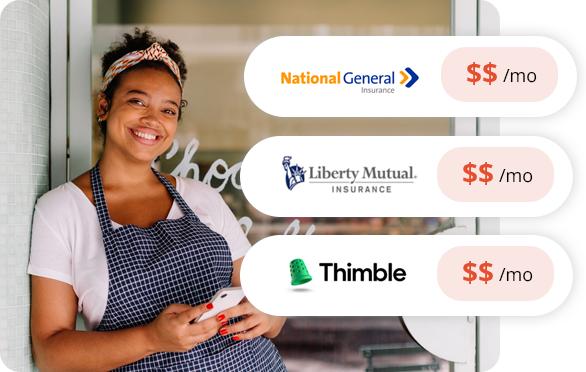
We partner with over 200+ top rated insurance providers


The best coverage at the best price
Cover is designed to cut through the clutter & make shopping easy
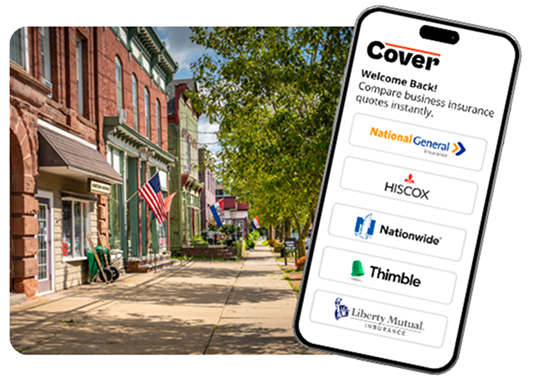
Answer a Few Questions
Tell us what kind of coverage you're looking for and a few basic details about yourself.
Instantly Compare Real Rates
We'll find the best rates in your area from trusted insurance providers. We'll even check to see if you qualify for discounts.
Choose the Best Option
Pick the coverage that fits your needs and budget. No pressure, no obligations.

Safe & Secure
We take your privacy seriously

Real rates instantly
Personalized, accurate quotes

Top rated carriers
Trusted, reputable providers in your state

Fast & simple
Designed for clarity, not confusion
What you need to know about commercial insurance (and what it covers)

Running a business comes with opportunity, but also risk. From customer injuries to property damage and lawsuits, unexpected events can threaten your company’s finances overnight. That’s where commercial insurance comes in.
Commercial insurance is designed to protect businesses of all sizes from financial losses related to their operations. Whether you’re a solo contractor, a growing startup, or an established company with employees, having the right coverage is essential to protecting what you’ve built.
Below is a breakdown of what commercial insurance is, why it’s important, and the most common types of coverage.
What is Commercial Insurance?
Commercial insurance (also called business insurance) is a collection of policies that protect a business from risks such as:

Property damage

Legal liability

Employee-related injuries

Business interruptions

Professional mistakes or negligence
Unlike personal insurance, commercial insurance is tailored to your industry, size, location, and operations.
Why Commercial Insurance Is Important
Commercial insurance helps protect your business.
Meet legal requirements
(many states require certain coverages)

Protect assets
like buildings, equipment, and inventory

Cover legal costs
if your business is sued

Maintain operations
after accidents or disasters

Build trust
with clients, partners, and lenders
Without proper coverage, a single claim or lawsuit could force a business to shut down.
Common Types of Commercial Insurance Coverage
General Liability Insurance
This is the foundation of most commercial insurance policies.
What it covers:
- Bodily injury liability
- Property Damage Liability
- Legal Defense Costs
- Medical Expenses
- Advertising Injury (libel, slander, copyright claims)
Example:
A customer slips and falls in your office
or store.

Commercial Property Insurance
Protects the physical assets your business owns or leases.
What it covers:
- Buildings and office space
- Equipment and tools
- Inventory and supplies
- Furniture and fixtures
- Damage from fire, theft, vandalism, or certain weather events
Example:
A fire damages your office and destroys equipment.

Business Owner's Policy (BOP)
A BOP bundles general liability and commercial property insurance into one policy, often at a lower cost.
Best for:
Small to mid-sized businesses looking for broad, affordable coverage.

Workers' Compensation Insurance
Required in most states if you have employees.
What it covers:
- Medical bills for work-related injuries
- Lost wages
- Rehabilitation costs
- Employer liability protection
Example:
An employee is injured while lifting equipment.

Commercial Auto Insurance
Covers vehicles used for business purposes.
What it covers:
- Accidents involving company vehicles
- Liability for injuries or property damage
- Vehicle repairs or replacement
- Medical payments
Example:
An employee gets into an accident while making deliveries.

Professional Liability Insurance (Errors & Omissions)
Protects businesses that provide professional services or advice.
What it covers:
- Claims of negligence
- Errors or mistakes
- Failure to deliver services as promised
- Legal defense costs
Example:
A consultant makes an error that causes a client financial loss.

Cyber Liability Insurance
Increasingly important for businesses that handle data.
What it covers:
- Data Breaches
- Hacking incidents
- Customer notification costs
- Legal fees and fines
- Ransomware attacks
Example:
Customer data is stolen during a cyberattack.

Business Interruption Insurance
Helps replace lost income if your business is forced to temporarily close.
What it covers:
- Lost Revenue
- Payroll
- Rent and operating expenses
- Relocation costs
Example:
A storm damages your building and shuts down operations.
How Much Commercial Insurance Do You Need?
Coverage needs vary widely by business

Industry and risk level

Number of employees

Business location

Revenue and assets

Contractual requirements



Ready to get covered?
Compare real quotes from the nation's best insurance companies.